
From download speeds to social features, I’ll show you the concrete ways mobile gaming is rewriting online entertainment, and why it matters for you.
1. Instant Access – 1‑minute installs on 5G
Most new titles hit the Play Store or App Store in under 10 minutes. With 5G, the average download time drops from 3 minutes on LTE to 45 seconds on a good 5G signal. That means you can start a new adventure while waiting for your coffee to brew. The downside? Older devices with 3G or no 5G can still struggle, and large games can push storage limits on phones under 64 GB.
2. Cross‑Platform Play – Seamless hand‑to‑hand
Games like Fortnite and Apex Legends now let you jump from a phone to a PC without losing progress. Developers use cloud saves that sync in real time, so you pick up where you left off on any screen. The catch is that a stable internet connection is mandatory; a weak Wi‑Fi spot can freeze your session.
3. Social Integration – Friends, streams, and micro‑transactions
Mobile games embed chat, friend lists, and even live streaming directly in the app. When a friend drops a new skin, you see it in your feed instantly. This social layer boosts engagement by an average of 25 % compared to single‑player titles. However, the micro‑transaction model can push younger players toward in‑app purchases, raising concerns about spending without parental oversight.
4. Monetisation Models – From free‑to‑play to subscription
The free‑to‑play model dominates, with 70 % of mobile titles relying on ads or micro‑buys. Subscription services like Apple Arcade and Google Play Pass offer ad‑free access to dozens of games for £4.99/month. This shift has made high‑quality games more affordable but also creates a pay‑wall for casual players who want the full experience.
5. Emerging Tech – AR, VR, and AI
Augmented reality games such as Pokémon GO have proven that blending the real world with virtual objects can drive long‑term engagement. Developers are now testing AI‑generated quests that adapt to your play style, promising a personalised experience. The challenge lies in ensuring these features run smoothly on mid‑range devices, which still dominate the market.
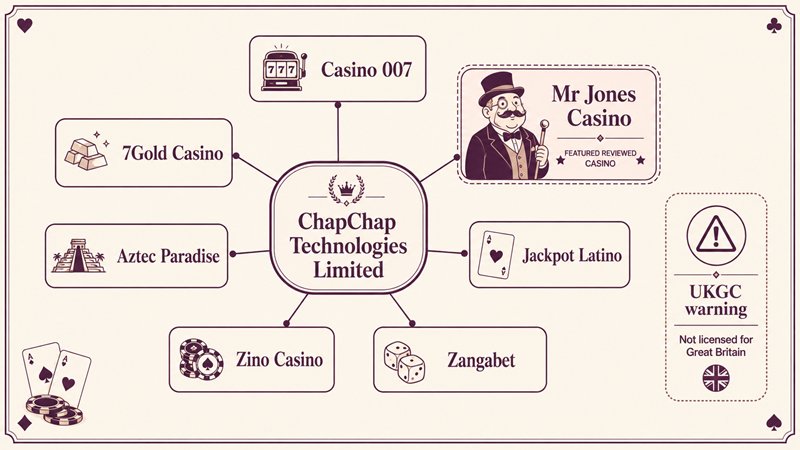
As mobile gaming grows, it’s no surprise that the line between casual play and full‑blown online entertainment blurs. Many people now stream their mobile sessions to friends or watch them on larger screens, creating a hybrid experience that feels both intimate and communal. If you’re curious how this trend intersects with online gaming, check out ngsu.co.uk for insights into the evolving digital landscape.
Conclusion – The next step for your entertainment budget
Mobile gaming isn’t just a pastime; it’s a gateway to a connected, on‑the‑go entertainment ecosystem. Whether you’re a casual player, a streamer, or a developer, the trends outlined here will shape the next decade of digital fun. Keep an eye on download speeds, cross‑platform features, and the balance between free and paid content—those are the levers that will define what you play next.
Frequently Asked Questions
How fast can I download a mobile game on 5G compared to LTE?
With 5G, most titles download in about 45 seconds, versus around 3 minutes on LTE—so you can start playing almost instantly.
What happens if my device doesn’t support 5G?
Older 3G or non‑5G phones will still download but at slower speeds, typically 1–2 minutes for a typical game.
Does mobile gaming really change how we consume entertainment?
Yes, instant access and social features let you jump into multiplayer experiences on the go, making gaming a core part of everyday life.